Production Diary
After each session answer these questions and include any photos taken:
Date: Saturday 16th November
What did you do, learn, need to improve and develop?
I managed to practice filming with the filming cameras. I had a masterclass about cinematography by Daren Eagles from Kinematic.
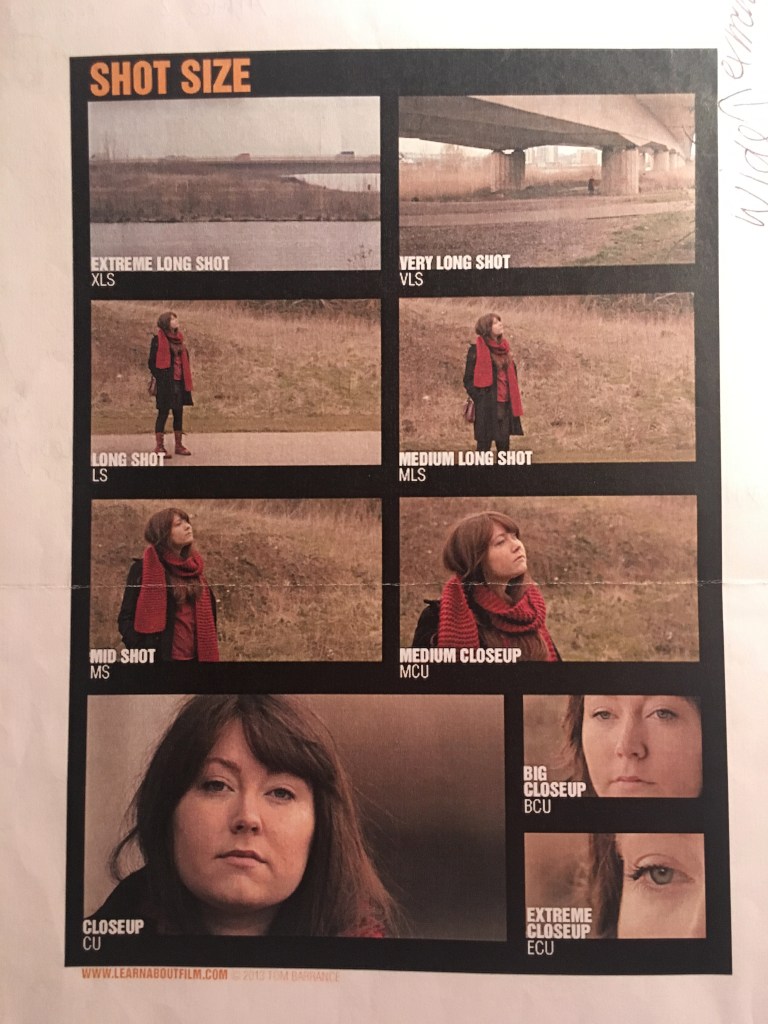
I learnt about the different elements to include in cinematography; lighting, colours, different shots (Extreme Long Shot, Very Long Shot, Long Shot, Mid Long Shot, Mid Shot, Mid Closeup, Closeup, Big Closeup, Extreme Closeup) and so on. I learnt we would be filming in the 16:9 format. The importance of ‘white balance’ was emphasised when we became practical with the cameras and how to transport them safely; by holding onto the top of the camera and the tripod with the other hand.
Later, I had a masterclass with Rob Speranza, a film Producer. He taught us about the importance of dialogue and furthered my understanding of the camera when adding microphones. Omni-directional microphones are ones that pick up sounds from all directions, like the classic-looking interviewer microphones. They can be used to pick up the sound of traffic as well as dialogue from a nearby person, etc. Other microphones which appeared slimmer, therefore more common for film-making, are best for picking up dialogue of a person and not much more. Generally, these looked long and thin with a long wire which would be wrapped around the pole and hung over the actor/scene of action or along to floor; depending on the best angle not to be seen. Personal, bodily microphones included the Radio microphone; the transmitter goes on the person, in their back pocket with a wire behind their clothes, the mic clipped onto their collar around their neck; the receiver is attached to the camera.
Overall, I think there is a lot more to learn and remember in terms of the camera; I found it very complicated but I remember some main tips; keep it set on manual not automatic when shooting with dialogue, because automatic would bring the sound levels up during silent moments, always check the white balance by zooming in on the subject looking at the meter in the camera scree corner, then zooming out slowly.
I worked quite well with others. I experienced directing when shooting a small scene. I think I enjoyed this role because I had clear visions of how I wanted the scene to be shot but to improve further, I think I could be more direct with my orders rather than suggesting them. As a director, I ket forgetting everyone had to follow my commands but I think I could consider others more if the process/ shooting was for a longer period of time. Sometimes I found it hard communicating my vision clearly to the camera men, many people would also crowd around the camera and I wouldn’t be able to see what’s happening very well. However, I felt like I did well at giving advise to the actors as well as the microphone holder.
Also, as a group we managed to develop a clearer story line by discussing themes we wanted to include and merging several ideas together.
In terms of Improvements, I think I need to communicate more directly and firmly with my group as a director; especially if there is a lack of concentration and a lot of chatter/ unorganised overcrowding. However, I think I could consider others point of views before making my decision, so I’m not forcing everyone to partake in something they strongly disagree with.
In terms of developments, I need to develop the story line ideas further so I can suggest potential visions to the scriptwriter before it becomes official. I also need to develop my understanding of the camera and it’s main functioning, since a Director needs to be able to guide all production areas.
Date: Saturday 23rd November
What did you do, learn, need to improve and develop?
I had a master class with the director, Richard Heap, of the new film The Runaways.
What I learnt from the professional director:
- Consider actors- how the scene works for actors THEN the camera route
- Rhythm of scenes and lighting
- The tone intention of the film e.g. with Tarentino films, there is usually a clear established tone, whether that be a miserable tone, sad tone, etc. Or possibly for each scene there could be a distinct tone which would help the actors as well as the directors and their artistic vision.
- Before shooting and during the process of finalising the script, form a Shot list; key shot ideas for each scene, call list; when each actor/actress is needed and cast extras asap and budgeting; consider all the props needed to fulfil vision and set limits
- Actors on screen; once a mood is established in an emotional scene don’t turn the camera off, be alert and aware of the acting on screen
- Symbolism of shots; emotions/themes/tones shown through the proximity of the camera to the actor and vice versa, where the camera zooms into as a transition/ zooms out of, and so on. When a character is isolated just do shots of him on his own in a situation with others, zoom out to show empty space around them, isolation. Together, unity, happiness – all together wide shots, closer shots to show happiness in the facial expression possibly.
- Transition through zooming in from a wide scene, zooming out from a big zoom in – especially sad scenes.
- Proxemics of actors; showing the relationship between the characters through subtitles as well as the camera shots and transitions.I need to develop the scenes of my short film further. I am going to do this by writing down the story line, comparing with the script, and narrowing down the ideas to certain scenes, locations, shot ideas. Once I have a clear plan and vision, as a group we can develop the script and refine it, allowing me to consider other essentials like the locations, props and money needed.
I need to improve my precision; when generating ideas for the short film, I need to remember the length of the film and the artistic vision and the limited resources we have access to. Also, I need to work on character development if I am going to be an actress in the production. If I am going to be partly the director, I need to begin organising by refining the script scene-by-scene so I know what locations we wish to use, and work on making that possible, and making shot and prop lists.
I need to develop the script further and refine it with the script writer so I have an idea of the locations we want to use, props and shot ideas to make the vision possible. Once the script and vision is fully refined, I can make a realistic plan on what we are going to do on the day of the shot and prepare the costume and character of my role as an actress/director.
Date: Saturday 30th November
What did you do, learn, need to improve and develop?
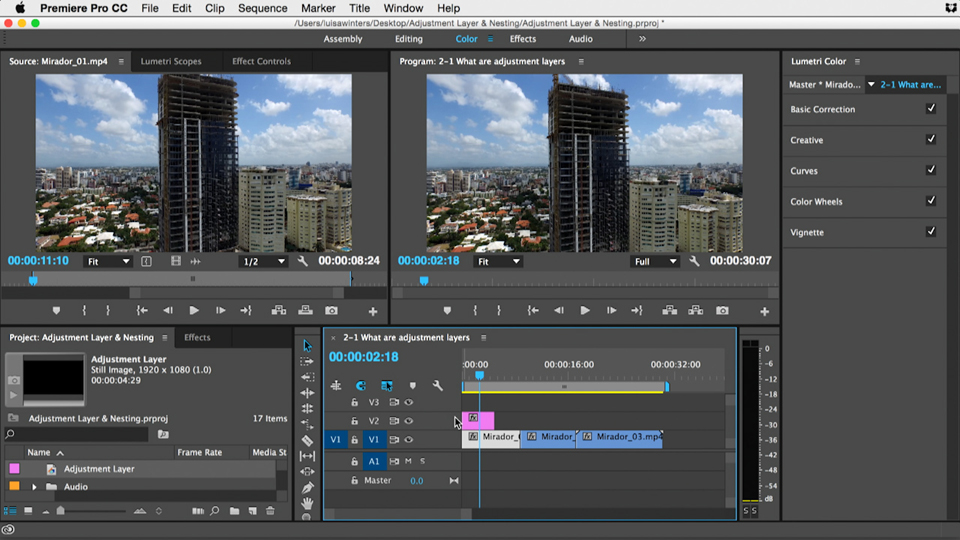
Today I learnt about a common Movie Editing Software; Premiere
- ‘In-and-out’; the start and end point, select resolution change
- Sequence; has to match the automatic format of the movie clip/s, determined by the type of camera used
- Bin; import media
- Two screens; the left one shows the current clip
- Headings; press ‘H’ at desired point in the playthrough of the clip where you want to make a cut/ leave a note/insert other shot, etc.
- The Razor tool; cut clip
- Ripple delete; deletes clip audio and the clip, important for making neat cuts
- Unlink vs Enable: unlink to move clips
- Zooming in and out can be difficult to do; consider the frame coming into shot and the clip coming across as ‘jumpy’
- Delete distance between two clips to bring the clips together after deleting a section
- Insert; drag desired clip other another clip to insert (another shot within a shot), change capacity
- Dimming noise bar; shows audio in waves

Cuts
- Cutting on action; cutting one shot to another whilst in action
- Cut away; cutting to an insert shot, often to show what a character is thinking — could be used in our short film when Sam has flashbacks to living with sound as a musician in the past
- Cross cut; intercut in/out of locations, often used during phone conversations or to increase tension/ climax — could be used during scenes showing Sams frustration and anger, then flashing to Rosa, his motivation of happiness/ the moment he became deaf with the white noise, showing the fuelling of his anger/ showing the calmness takeover his angerJump cut; jump between the same shot, often used during action/fast pace moment
- Match cut; jump from one shot to another that are similar (‘match’) in action or composition, often makes a good scene transition, shows passing of time/ ageing of a character
Transitions
- Fade in/out; dissolving to/from black
- Dissolve; similar to the latter; when one shot blends into another, can show the passing of time
- Smash cut; abrupt transitions, often can be used from an intense scene to a calm scene, loud to quiet, vice versa, etc. — when Sam goes from the white noise, distressing accident aftermath scene to the breakdown where he smashes a guitar which would be edited as silent, this change of atmosphere would be effective in showing the power of his hearing loss to the audience and aesthetically
- Iris; originated from cameras that manually opened/closed the ‘iris’ to create a transition from black, now quite a stylistic transition, could be used to draw attention to a certain character or aspect, create a feeling of closure
- Wipe; literal wipe of the scene that can come in many forms, the present shot splits/moves across the screen revealing another, often used stylistically
- Invisible cut; illusion of a single take using backness to create a shot change that is seamless
- L cut; audio-based transition; the audio form the present shot continues into the following shot
- J cut; audio-based transition; audio from the next scene starts before you visually get to it (hear before seeing)
Both the L and J cut are seamless flowing scene transitions guided by audio, could be effective transitions to use in our short film that focuses on the lack of sound in Sam’s life; creating an illusion of sound during scenes from Sam’s perspective, temporarily confusing but intriguing the audience and showing Sam’s disorientation of hearing (thinks he can and can’t hear, etc.)
I could also combine these transitions/ cuts to create an advanced edit and maximum impact in telling the audience about the character’s (Sams’) feelings.
For next week I am going to go through the script and list desired sounds/ experimental sounds I wish to create and capture in certain scenes and atmospheres, so on the day I can capture as many illusions of silence as a deaf person rather than relying on editing to create the atmospheres.
Date: Saturday 7th December
What did you do, learn, need to improve and develop?
Today I had a masterclass from a Sheffield playwright, director and actress, who trained in London in acting and has worked with other Sheffield-known playwright/ film producers like Gurinder Chadha
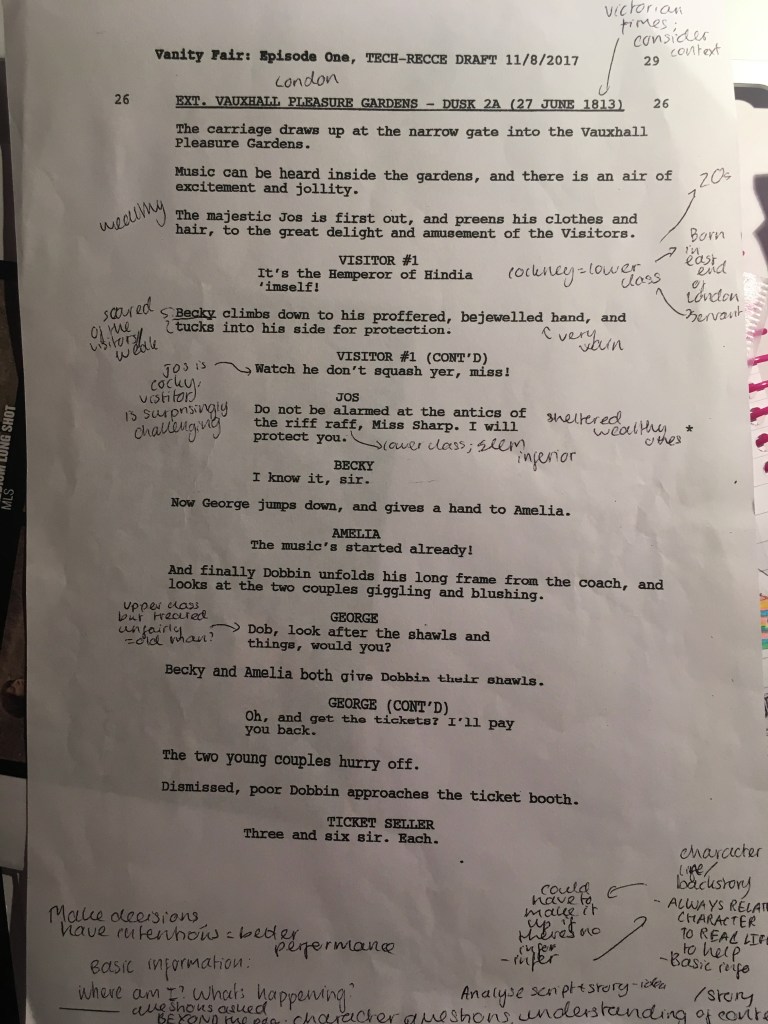
We did an acting activity where as a group, we had to direct/ act as a character from the given scene extract ‘Vanity Fair; Episode One – Vauxhall Pleasure Gardens’ . Within the activity I learnt many helpful tips as an actress/director in my short film;
I had to initially annotate the extract to get an understanding of what was going on, so I knew how to act out the chosen character. During this process I learnt that as an actor, when given a script, you must;
- make decisions and have intentions through your acting as a character in order to perform strongly
- Analyse script to have an idea of the storyline and where the piece is going/ the significance of the scene
- Consider basic information to develop the character; Where am I? What’s happening? not only to improve the peformance/ deepen the character, but also as in auditions often you will be asked questions on the character and your understanding will be challenged, so it’s good to have a vision
- Understand the context and content
I found the exercise enjoyable as I knew everyone in my group, so there was a good rapport naturally and I was able to communicate with the other actors my ideas to improve and refine an appropriate atmosphere. For example, I suggested we crouched slightly when getting up out of our seats until we left the square formation of seats; to create the illusion of a carriage, which upper class victorians would have travelled in.
More specific characterisation tips which I found useful as someone interested in the acting industry;
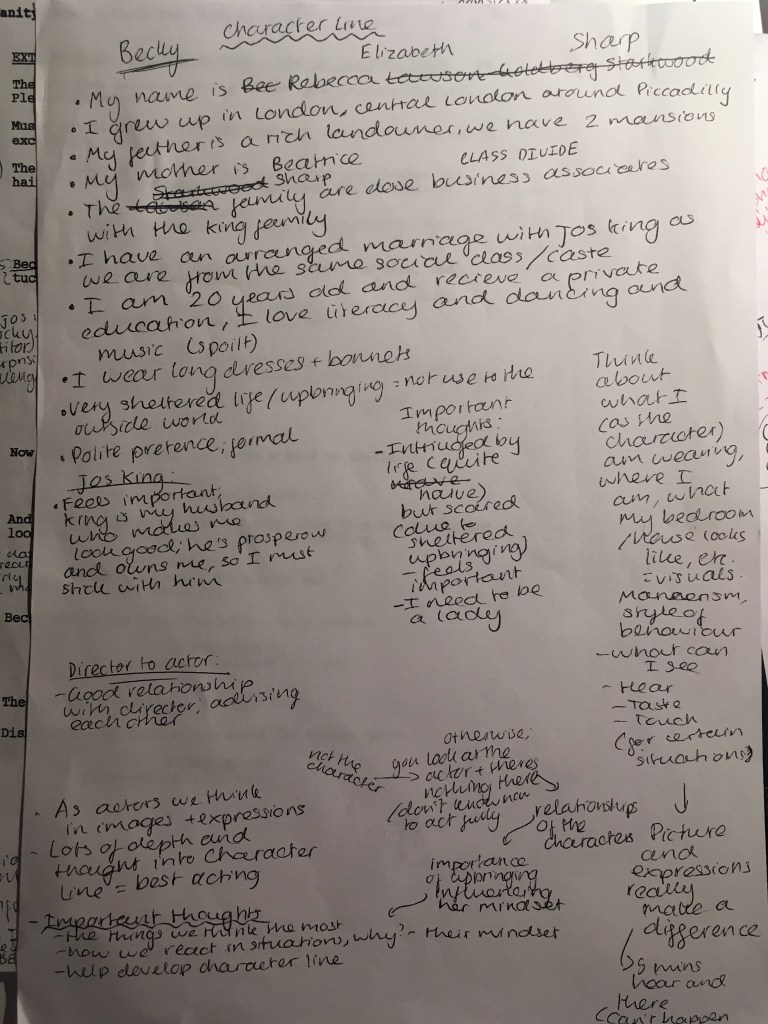
- Always consider a character’s backstory; ‘Character Line’
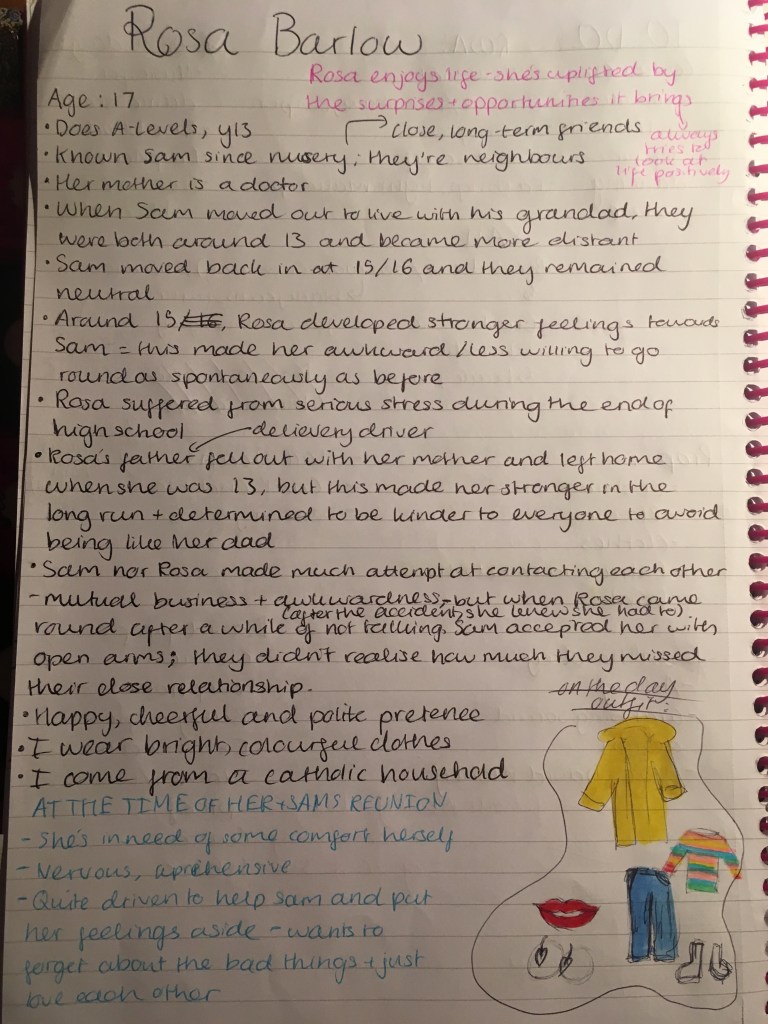
- In auditions consider the characters backstory by thinking of their basic info, e.g. where they grew up, what they like, what they where, their age, and so on. I did this for the character of Becky during the extract work and it really helped, as I felt like my character was real
- what is called ‘Important Thoughts’ ; the things we think the most, how we react in situations, WHY = the characters mindset; always know what the character’s main attitude to life is, e.g. for the extract I decided Becky’s view on life (after creating a basic backstory/ information) was that she was intrigued by life and excited to what it brings, having been sheltered most of her life
- Once the mindset of the character is firmly decided, the mannerisms and natural behaviour of the character will follow, which is where there convincing acting occurs due to the well developed characterisation
- Always compare a character to real life, to help develop them to seem real and therefore more believable when acting as them
- As actors we think in images and expressions, so when getting into a character, picture a place where the character could be, what the environment looks like, what they are wearing, hear, taste, touch = visuals and senses
- During film where there is a cast of actors, it is important to get to know them and get used to working with them before the actual shoot, so that a rapport and relationship is already established with the actor before shooting and playing related characters; otherwise you could look into an actor and see nothing; rather than see the character and feel any connection
Acting in film is very different to acting in theatre. Acting in film can change ver last minute, so you have to be a very flexible actor as the director can often ask you to act your character in a slightly different way. Thats why personally, Helen prefers to try and act and direct in her films/ TV series when she can. Her specific film acting advice was useful to me as an inexperienced actress, especially in film. Therefore, leading up to next week (shoot day) I must develop my character as best as I can so on the day I am prepared and confident enough to be flexible with my acting.
I learnt that the relationship between actor and director must be positive and open; a director has to communicate well with the actor and vice versa to advise each other. E.g. the actor may have to advise the director on what they feel will look best for the character, and the director may have to advise the actor in how they move in terms of cinematography and technical concerns like where the camera could be, as well as artistic vision like the emotion intentions for a certain scene, etc. Additionally, as a director/actor, you should always have an emotional intention in your acting. In film, you could have a script and decide for each scene/shot, what feeling you are trying to get across to the audience. Consequently, this will make the performance strong and decided and compelling.
For the second half of the session we planned the shoot day. I decided for next week my roles during the filming, in order to prepare and help the production go sufficiently;
- Actor; I will be in most scenes (apart from 2) playing Rosa, a friendly, caring, uplifting character and romantic, loving friend to Sam, played by David
- Sound Designer; for each scene on the script I will write ‘Atmos 1’ etc. so throughout the day I can make sure we’ve recorded various atmospheric sounds, as sound is a vital element of our film in order to present Sam convincingly as a deaf person and make the film impactful as we intend. I will use different microphones and types of muffles to create muffled/ distorted sounds of silence, speaking, music, traffic (or whatever is required). I will only take on this role in between shots/ independently during filming scenes I’m not in, if I get access to a separate mic.
- Director(?); potentially more of an Acting Director for David when I’m not in scenes but naturally watching the process. As Elfie as the director overlooks lighting, shots and acting, I could help advise David/Elfie in what could look good acting-wise, as an actor myself
We started drafting our shot lists and editing the script to make it the final version; as an actor I then know what to expect on the day practically and as a Sound Designer I know when and what atmospheres to try and create/capture. Other roles like the producer finished off the risk assessment and generally I think we organised the shoot well as a group.
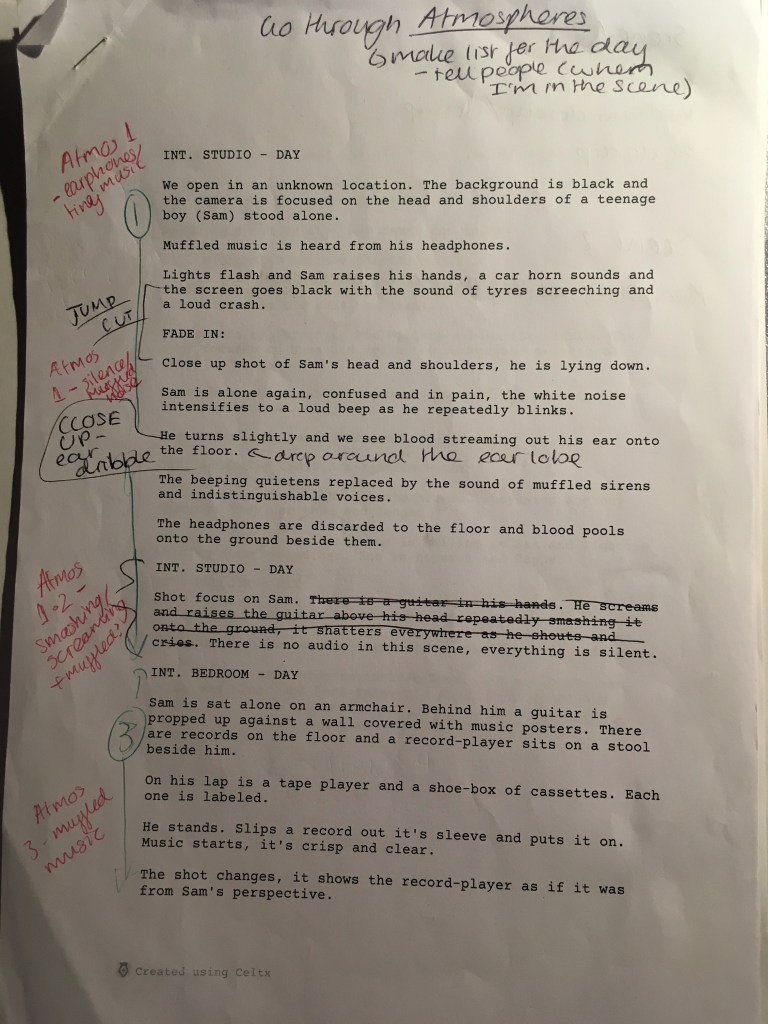
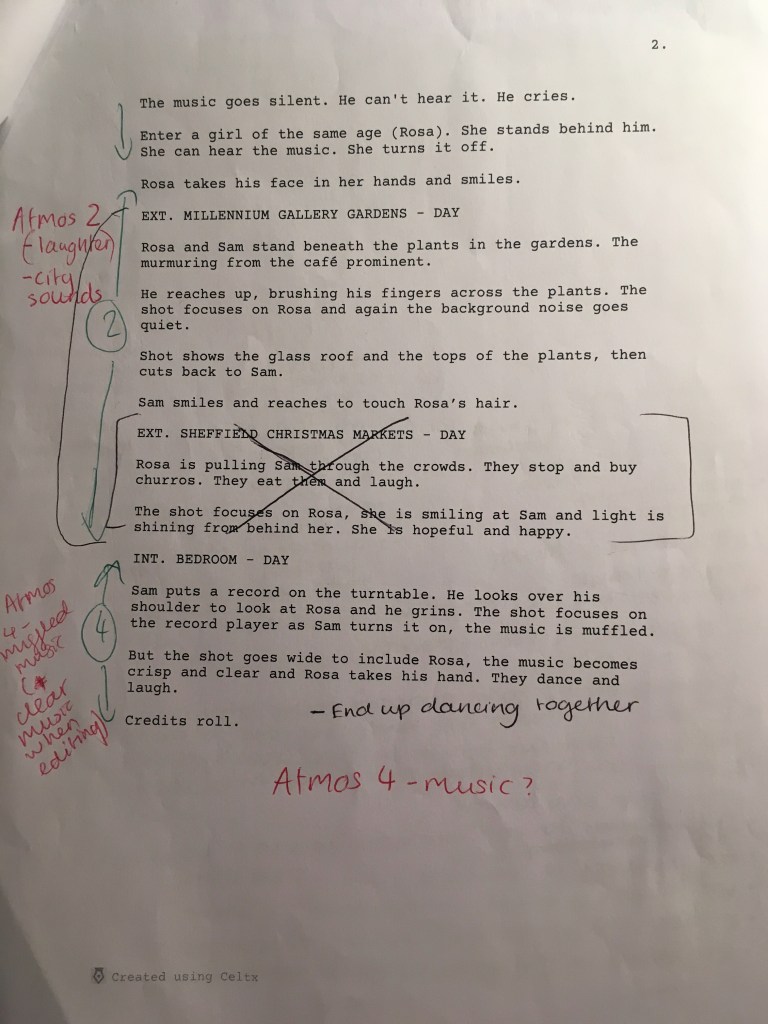
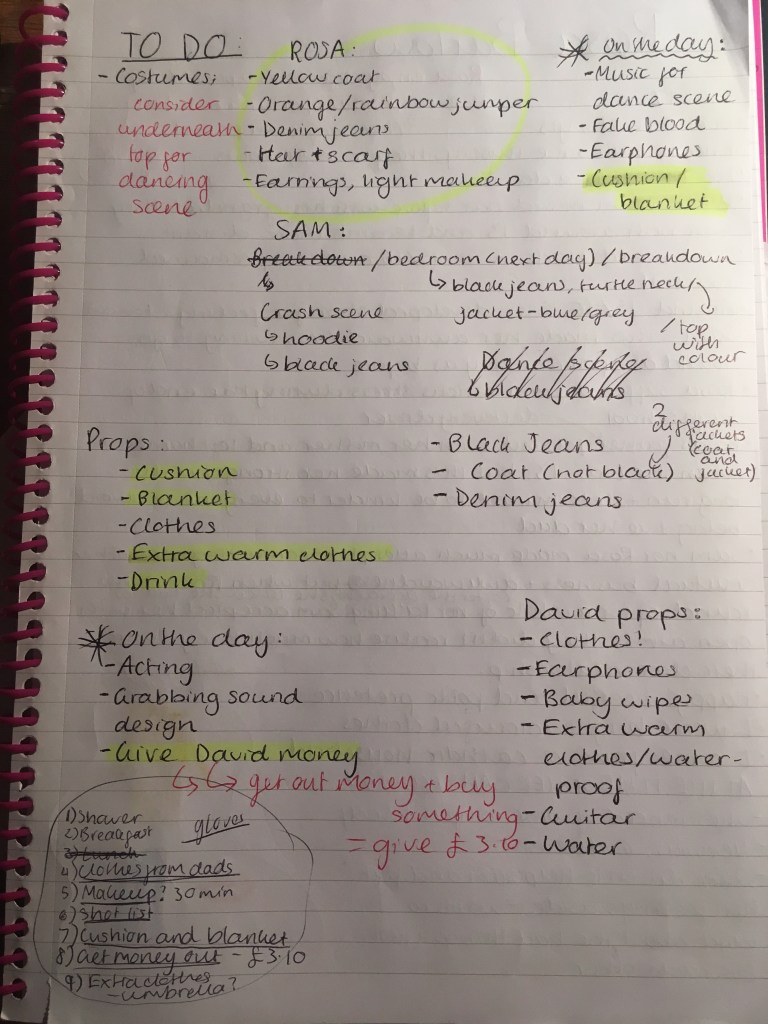
Crucially, I made a list of what I had to bring for the shoot day and what others where expected to bring, too. As a result, we should hopefully be prepared on the day making the whole filming process quicker and easier. We all agreed to bring resources/props for the shoot day; working well as a group.
Using the tips from the Acting masterclass I also developed my character in preparation for the shoot day.
Date: Saturday 14th December
Shoot day
We checked the weather beforehand and it was predicted sunny. I checked the weather the night before and on the day, and it had 50% chance of rain so I brought extra warm clothing like gloves. Also, we shot our outside scenes first instead of second (beforehand we were shooting all the studio scenes first as they Ould take the longest). It started to rain just as we finished filming outside, so the timing was successful.
Challenges
Working quickly and efficiently with the equipment at first
Communicating – a lot of us were in our separate groups especially at the start when David and I were acting and we were starting late
Explaining to the actors what was expected, if it was good enough, guidance
Missed a few shots due to weather and timing: rain and mud
Recording sound was difficult
timing with weather – justmaanged but was stressful
time table – successful due to flexibility
Forgot to record the sound of traffic
Actor difficulties – not opening up (bedrooom scene, placing feet towards camera – theatre – especially in a small one dimensional room – didn’t know if it looked natural) acknowledging camera, going too fast, not acting well enough – could have been more communication as im inexperienced
What went well
Managed to get everything done
Recorded a few different attempts at muffling – communicated and took on others ideas and black cap for sound – everyone worked together really well, flexible cameramen and people helped muffle. Experimented with sound, as the sound designer, interpreting deafness not as silence, but as heavily affected sound, distanced, spacey atmospheres.had a list of sounds and did them al
Me and David worked together well; a sense of rapport was achieved allowing us to go out of our comfort zone so we could perform well on screen by creating a good relationship real life.
I took control / directed sound, by creating a list of atmospheres needed following the script e.g. atmos 1 was a car crash scene; so I desired to capture the sounds of traffic by recording the sounds next to the main road.
I directed David’s acting when I wasn’t in the scene and everyone else was busy technically, advising the actor on how to achieve the intention that the director wanted from the certain scene
We all worked together; everyone listened to Elfies wants and mine when I was directing sound.
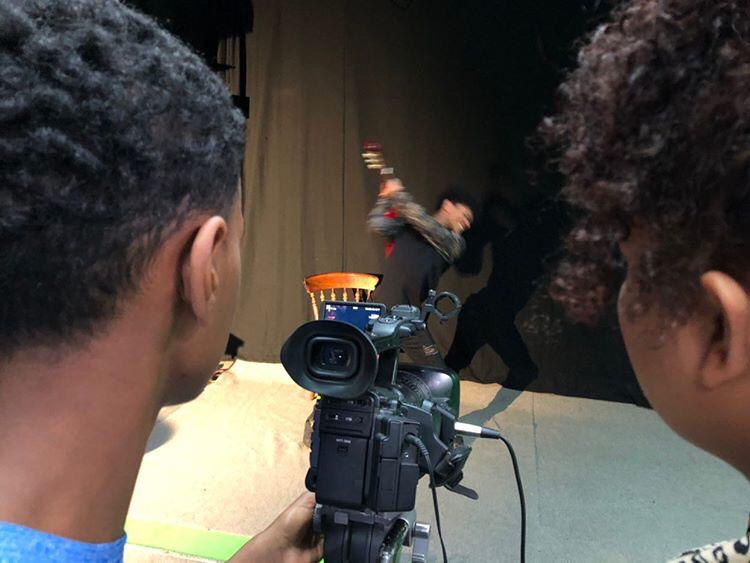
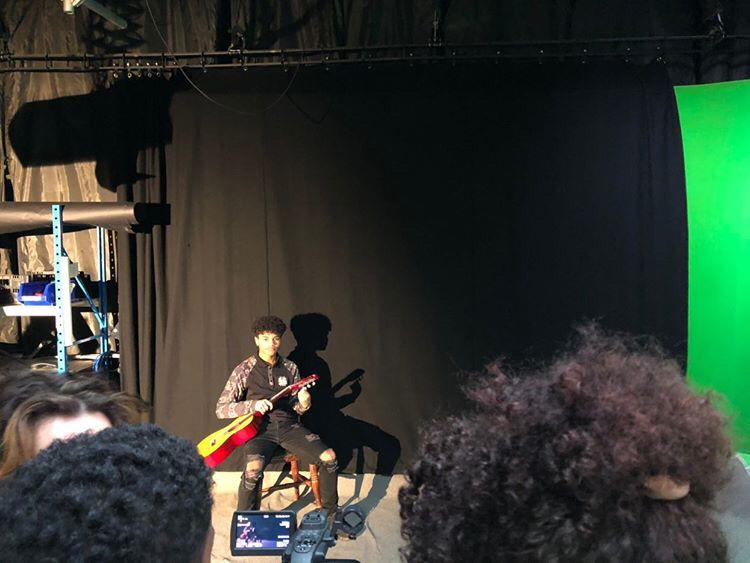
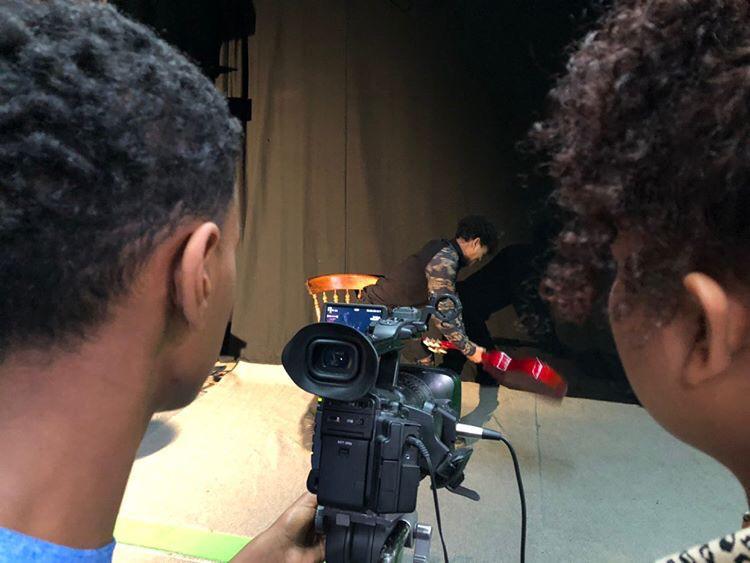
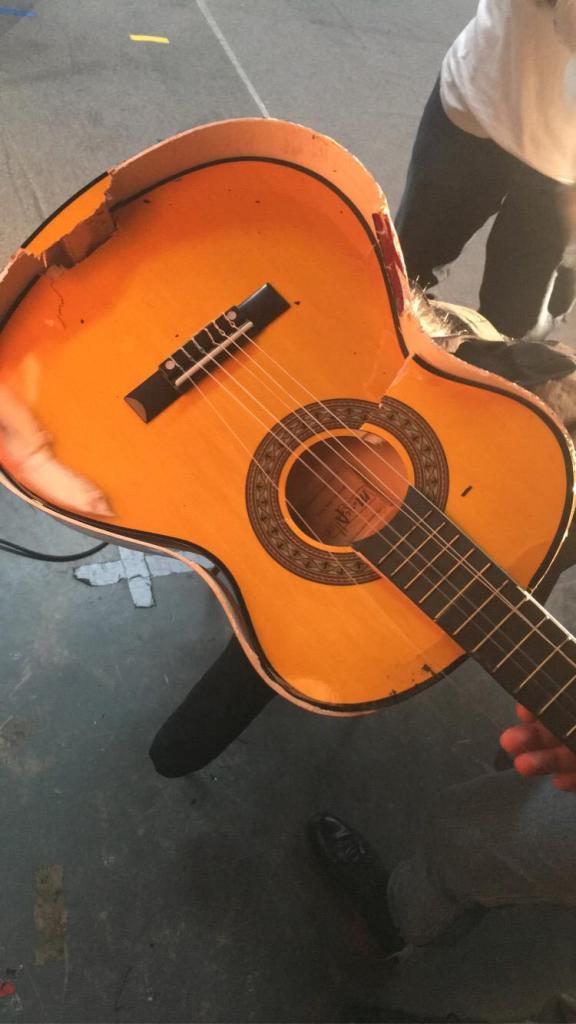
The guitar smashed well, due to previous risk assessment the guitar smash was well controlled.
Helping out with others even if that wasn’t my field- to get a good rapport teamwork going e.g doing the sound, different people contributed, I watched whilst professionals explained the lighting so I could step in if that person was busy – lighting desk – changing barn doors on the other light, watching the acting and advising what looks best to the director – generally sharing ideas
Some of the shot lists changed throughout the day due to time pressure and once we were in the locations, visions changed and accessibility to certian angles changed. I think we adopted well to these slight changes.
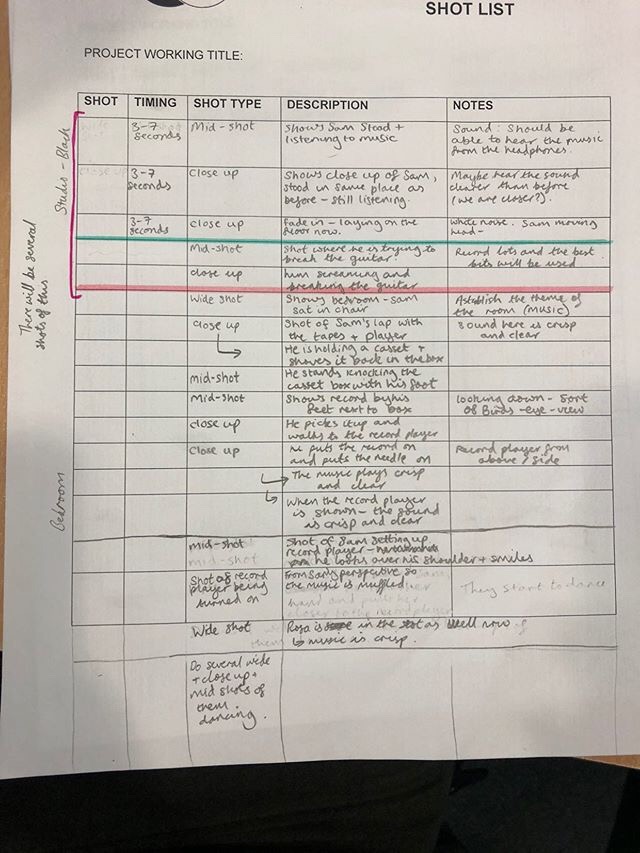
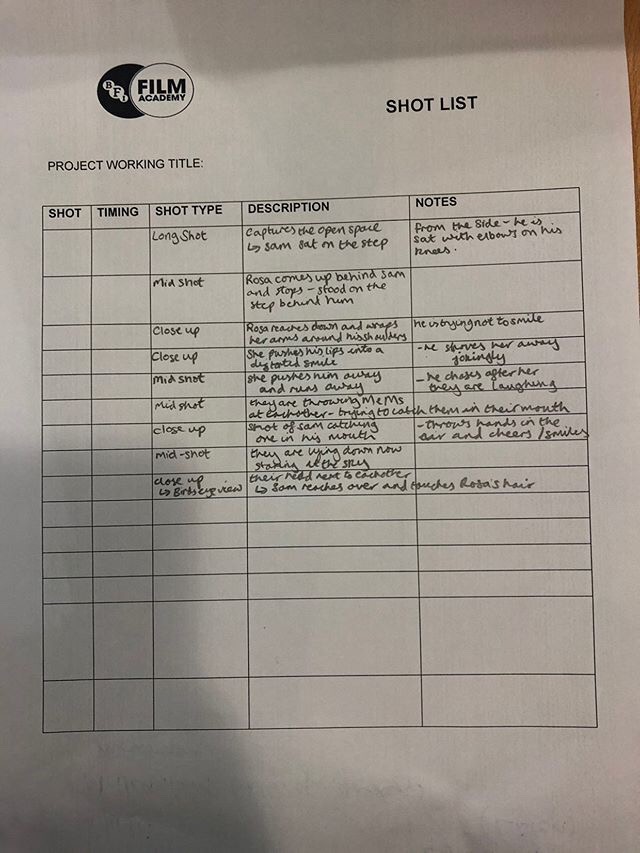
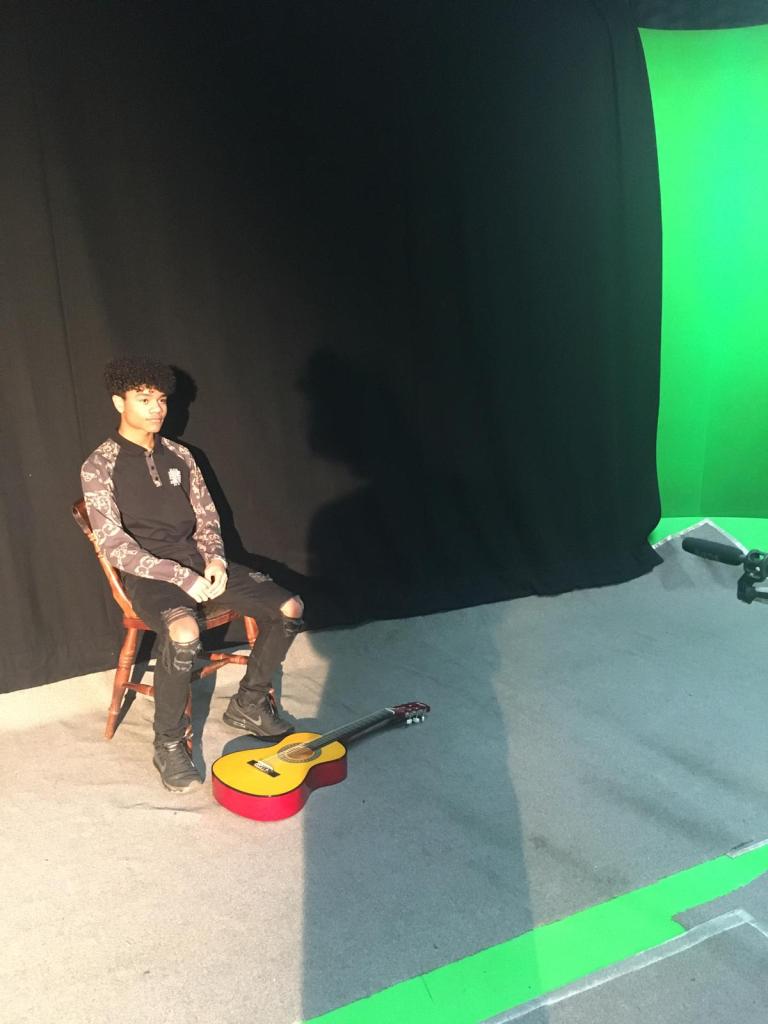
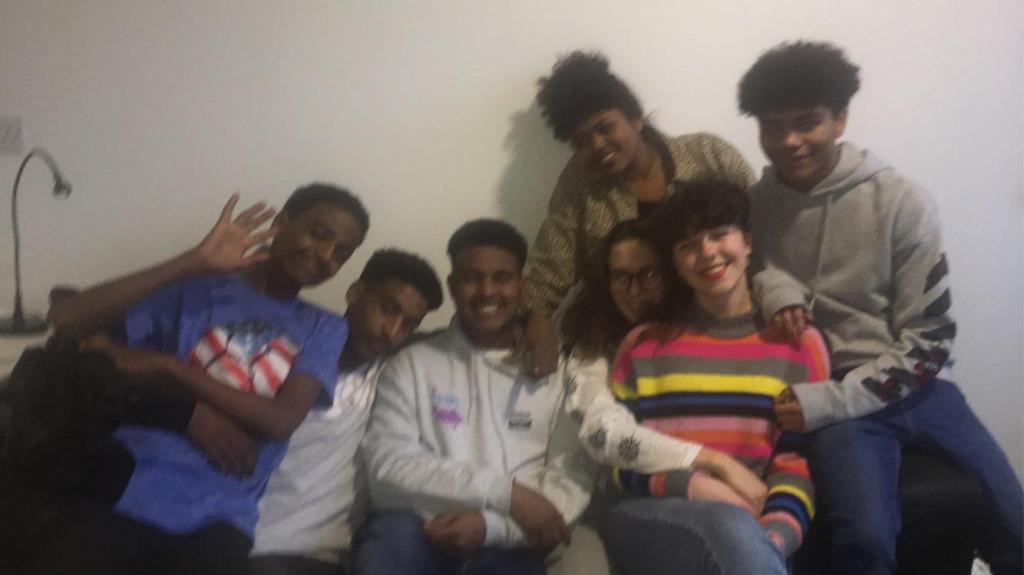
Pictures from the day
Date: Saturday 4th January 2020
What did you do, learn, need to improve and develop?
Generally today we focused on criticism of short films, preparing us for edit day next session. I watched several short films, considering what worked well in them and what didn’t, and had a masterclass concerning funding and other opportunities outside of BFI Film Academy.
We had a talk with the Talent Executive of Film up North, Amy O’hara, about funding and film opportunities. I helped me consider what to do next after the film academy, as a young person interested in film. The main things I learnt include;
Film up North offer treatments like Script labs, professional exploration for inspiration where you can meet professional directors, etc. for
What I learnt in prep for Edit Day:
- Have a vision. It’s vital for the director especially to know the tone, pace, colour and sound of the film. Knowing these will make the editing process a lot easier because the editor (if these intentions are well communicated across to the editor) will go into editing knowing their outcome
- Be comfortable and communicate well with your group to allow yourself to criticise the film; you must be able to say what you think works and doesn’t, instead of letting something ineffective happen to the film throughout the editing process that could be done better/ lessens the vision
- Look at the footage before to plan potential cuts and shots; the vision could be different than imagined once the footage has been reviewed
- Consider sound effects (especially as there are numerous songs and sound effects needed in my short film, preparation is essential to make the sound editing as efficient as possible, under the time limits)
- Criticism is essential in all film productions
Date: Saturday 11th January 2020
Edit Day
What did you do, learn, need to improve and develop?
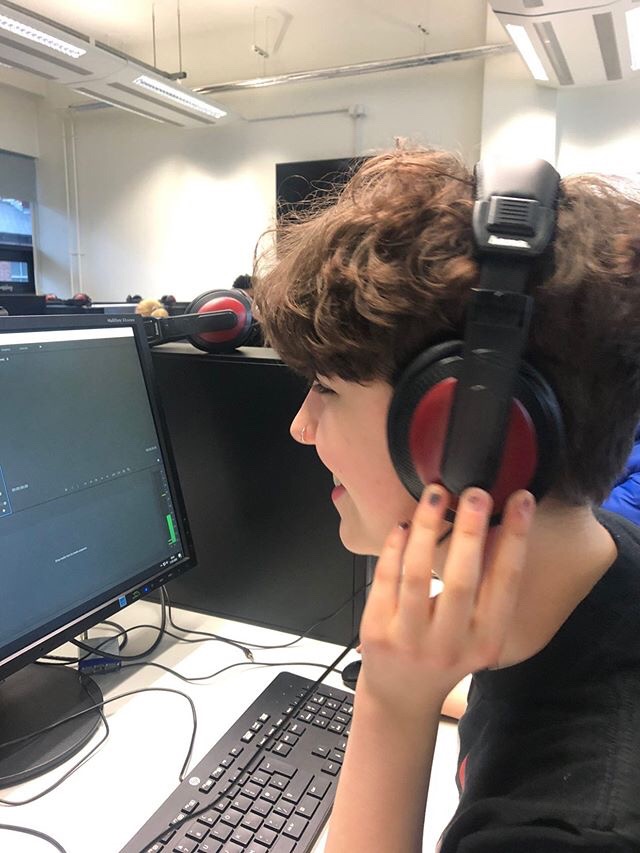
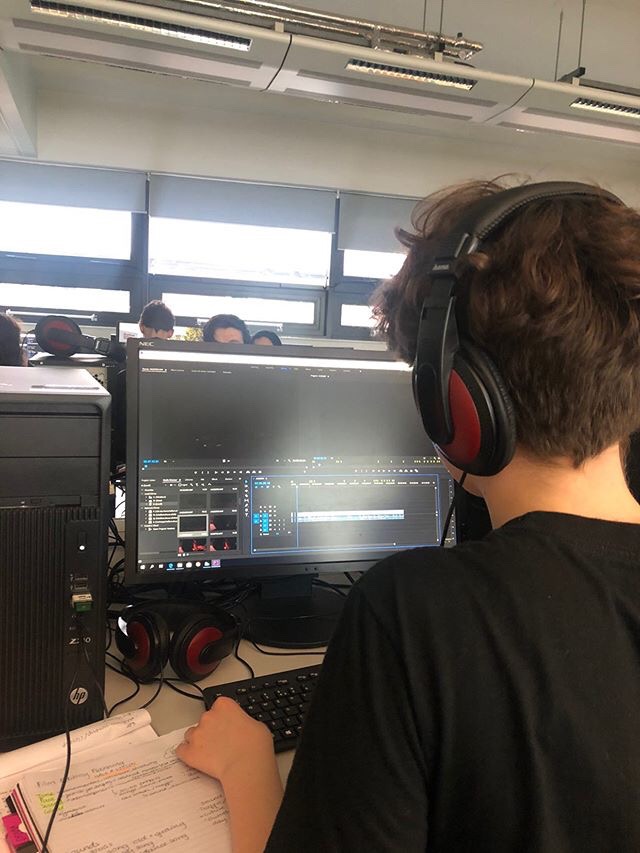
Our group had to improvise as our original editor wasn’t there to edit the film, for unforeseen circumstances. Therefore, I edited the short film.
For this last minute role, as well as being the sound designer during the production, I had a lot of responsibilities all at once, as well as immense pressure due to the limited time and lack of experience;
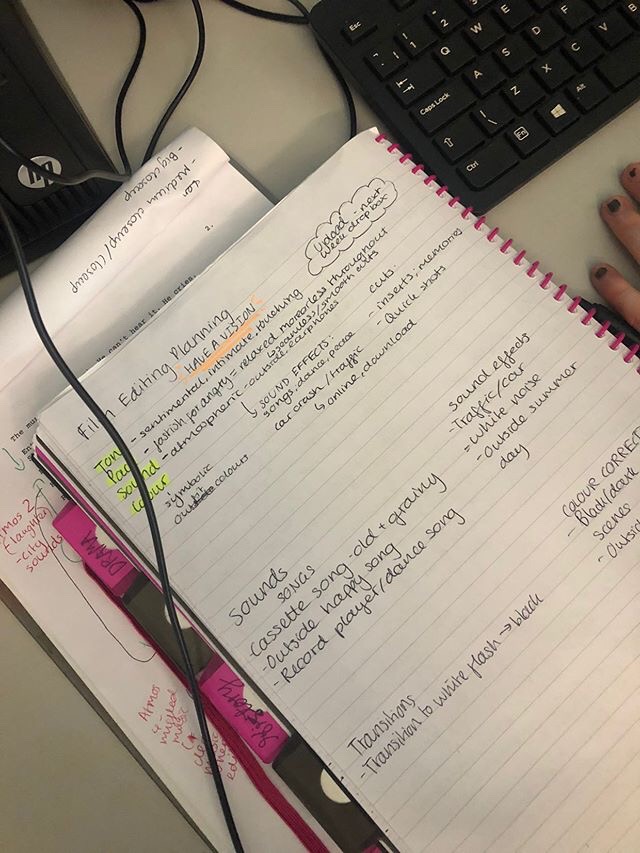
- I gave everyone jobs to do to help with the process; to find specific sounds, to which I made a list to help them. When it came to sound editing, I could download the songs/ sound effects and add them in efficiently.
- I kept asking for the directors advise and opinions on my choices, to make sure everything was meeting her vision, by making her watch certain scenes to see if the style of editing was adequate, meeting the right emotional message. E.g. when Sam smashes up the guitar in distress, I cut the a shot so it was short and snapped onto the next part of the same shot. This was accidental, but after the directors overviewing, we decided to deliberately make quick cuts to represent Sam’s breakdown in the scene.
- I linked the story/ emotional journey of the protagonist to the editing style; in Sam’s downfall: there were shorter scenes, lots of cutting in actions and experiments in sound and shot lengths, as the film progressed and Sam became mentally more complacent, the shots were longer and the cuts more seamless and aesthetic.
- I kept taking notes whist blocking the film down during the initial edit run-through, so I knew exactly where to go back to during the more detailed edit; where I saw potential transitions or cuts.
- I asked for assistance to do more advanced editing to fulfil my vision, which I couldn’t do directly on my own as I didn’t prepare for being an editor over the course, and asking for professional tips really enhanced the crucial parts of the film. I did effects like layering clips on top of each other create disorientated audio and repetition of a strong visual/ short shot within a scene.
- Always use headphones to listen to the edits your making, to avoid critical audio errors.
Date: Saturday 18th January 2020
What did you do, learn, need to improve and develop?
We had a masterclass with Yen Yau about getting into the film industry, the different careers available, what to consider on a personal level. From this talk, I set myself some targets of self-improvement in order to get involved in the film industry;
- Constantly update my CV, and personalise it for the specific jobs I’m going for
- Know my drive; why I want to pursue directing/ acting, what I want to get out of it, and so on
- Accept lower jobs like being a runner, because I can earn respect, connections and responsibilities.
- Read BFI Newspaper, watch more short films.
- Attend events even if I’m interested in acting roles; knowing about how the film industry will help and I can give my contacts to directors and producers at film screenings/ events.
We had a talk with Ben, the creator of the Spirit of Independence Film Festival, which my short film will be screened at, 3rd October 2020. Ben set up the festival to showcase ‘microbudget’ films that are independent and otherwise wouldn’t get much publicity. He also told us about presenting our film, what to consider. This was helpful for me because next week we are screening our short films and I need to prepare a brief, interesting introduction to our film then, as well.
During the talk, I acquired some useful advise on presenting my short film
- it’s trying to sell your film and make it seem interesting, and make people want to watch it
- Don’t go over the plot
- Talk about your intentions with the short film
- Talk about what makes the film interesting; e.g. the interesting element of my short film is the fact that the protagonist is deaf, so it’s quite an experimental film relating to sound
- Be concise
- Genre
For my film presentation, I am going to aim to mention three main things, within a few sentences; the theme of the short film, the intention and the overall personal experience. I want to highlight the interesting factor of our film which is the sound experimentation, how it was made by first-time film makers and how it’s a story of self-discovery (without going into the plot). This is because it will prepare the audience, hopefully make them interested, giving some context, and as it’s a short film that I haven’t had the chance to watch through, I don’t know if our intentions will be clear, so a brief introduction will make it more understandable.
 emily dawson masterson
Emily, this is a really great Production Diary!
Your analysis of what you learned, how you developed your skills, and why it’s important to have these skills upon your entrance into the industry is fantastic. You’ve achieved this criteria to a high level, well done. Your use of photographic evidence to support what you are saying is particularly strong.
LikeLike